
by Art Waskey | Aug 16, 2022 | Art of Sales Weekly, Featured
Technical Abilities
A young woman came into a distributor’s store to buy a robot to automate her company’s business. The counterperson referred her to their trained technical sales rep. She made him aware of the options she needed on the robot and seemed to know more about the product than he did.
She quizzed the rep on his technical capabilities and asked if their company could train and service the robot. This scenario should not be a surprise to anyone who follows purchasing trends.
The Procurement Department as a Client
While salespeople once worked with purchasing agents, in today’s digital world, they will more likely be answering the needs of procurement departments.
In her article, “Making Procurement Part of the B2B Sales Process,” Michelle Richardson states, “77 percent of B2B buyers don’t talk to sales reps until the buyer has done their research, and 99 percent are comfortable spending $50,000 or more using a self-service web portal.
In addition, “The procurement department is responsible for identifying needs, sourcing suppliers, negotiating and managing contracts and costs, including ways to save money.”
The shift in Sales Attention
As in the example above, the purchasing process now includes assessing the seller’s added-value capabilities on complex products and services. B2B selling is a collaborative effort and is about personal relationships.
Furthermore, Suppliers must create new partnering principles to enable data sharing and transparency while protecting proprietary interests. It is important to determine the needs of all decision-makers and determine who controls the purchase.
Lastly, The shift of sales attention from purchasing departments to procurement groups is part of the new digital sales cycle. Be sure you understand your customer’s organizational dynamics and use Enterprise Selling techniques to remain competitive.
Get tips and tricks like the above in The Art of Sales books. Or subscribe to the FREE monthly articles here.
by Art Waskey | Jul 26, 2022 | Art of Sales Weekly, Featured
The New Sales Model
MSC Industrial Supply Co’s new brand proposition — built to make you better — is an important strategy to note. The digitalized world has created major changes in the way we sell. The sale no longer ends when you deliver the product. MSC’s refocused sales model involves helping the customer tackle their “mission critical” channels on the plant floor through a decentralized sales effort.
Assisting customers with emerging issues, such as a lack of expertise, is part of this process. Due to the pandemic and subsequent post-COVID business acceleration, customers are experiencing a skills gap. As a result, MSC has begun evaluating assessment needs. Customers of the company can have their analysis audited onsite by the company’s technical experts.
Distributors need to look closely at their sales model and make changes where appropriate. As early as 2010, the distributorship I was with added a Productivity Enhancement Team. Further, this group was tasked with assisting our outside reps by touring key accounts and helping to develop areas for manufacturing improvement. They considered welding process selection, robotic applications, machine tool transitions, safety product adaptions, etc. In the mid-2010s, my company built a team to initiate vendor-managed inventory (VMI).
Where Information Meets Experience
The younger generation in our workforce has the ability to find information quickly, but they don’t necessarily have the experience to use it to their greatest advantage. Develop a sales force that has a balance of fresh new ideas and hard-won experience. This provides you with the best opportunity to deliver value-added proposals to meet your customers’ needs.
Lastly, the sales qualification bar has gone up. Today’s sales force must be prepared to present more than a good product. Reps have to be creative and able to share ideas that can improve the client’s performance. In the new digital world, business is won by finding better ways to meet customer needs.
Get tips and tricks like the above in The Art of Sales books. Or subscribe to the FREE monthly articles here.
by Art Waskey | Jul 18, 2022 | Art of Sales Weekly, Featured
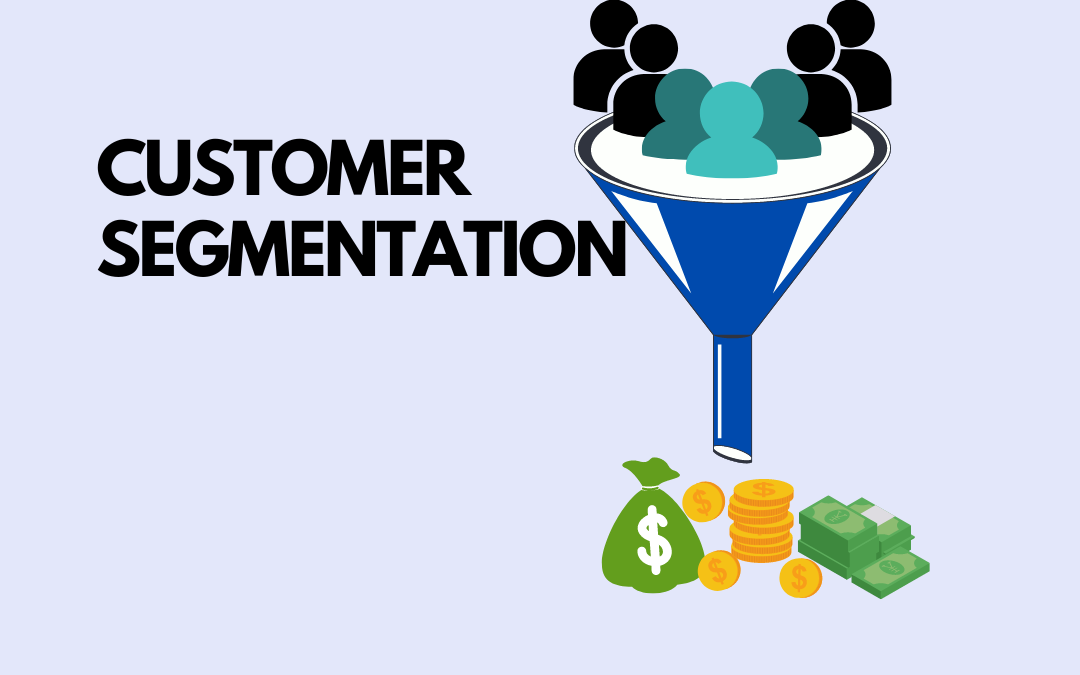
One of the most challenging responsibilities of a sales manager is bridging the gap on account profitability between sales reps and the executive team. For example, a salesperson may have a key account that represents a major percentage of his monthly sales. However, it is an account that the administrative team constantly complains about. The customer is slow to pay, has too many small deliveries, and buys low-margin products. The sales manager’s job is to try to find a balance between these competing issues. One way to do that is to focus on profit segmentation.
Segmenting Your Accounts
In their book, Choose Your Customer, How to Compete Against the Digital Giants and Thrive, Jonathan Byrnes and John Wass provide insight for handling the sales manager’s dilemma. They suggest segmenting your accounts into these three categories to determine which parts of the business are making or losing money.
Profit Peak – This group consists of the 20% of your accounts that generate 80% of your territory’s profit. It includes loyal customers with whom the account manager has trusting relationships. The clients in this category are recognized as good friends and recommend you to their business associates.
Profit Drains – This category includes accounts that represent about 30% of a sales territory’s revenue but drain off about 50 percent of the profits earned by the rest of the company. These customers are price shoppers who check your price against those of online competitors, and demand the lowest price match. These accounts also often require some form of service.
Profit Desert – Customers in this group represent 50% of a territory and account for 20% of revenues, but produce only 10% of the profits. Properly developed, however, this 20% have the potential to grow into Profit Peak accounts. They should not be ignored.
Find Your Strategic Group
Once you have categorized your customers, you need to make a plan. Byrnes and Wass recommend carving out a defensible, high-growth, high-profit strategic group that the powerful digital and off-price competitors cannot enter with their low-price, low service strategies. While these customers may require more costly service, the extra expense is justified by the accelerated profits. From my experience, these accounts tend to more readily accept price increases, especially as they relate to service.
Part of your strategy may also include stopping the practice of meeting the lowest price for your Profit Drain accounts. You will find a significant number of Profit Drain customers will eventually purchase at full price.
Find the sweet spot
As a sales manager, you need to find a balance between the competing needs of your sales reps and the executive team. Focusing on profit segmentation is an effective way to find your company’s revenue sweet spot.
Get tips and tricks like the above in The Art of Sales books. Or subscribe to the FREE monthly articles here.

by Art Waskey | Jul 12, 2022 | Art of Sales Weekly, Featured
Proverbs 11:14 says “Where there is no guidance the people fall, but in the abundance of counselors there is victory.”
I find these words inspiring. The periods of greatest growth in my own career have occurred while I have been under the guidance of wise, mature leaders. Now, I mentor for success, working as a mentor to the owners of mid-sized distributorships, guiding the next generation of leaders to success. The people I work with appreciate that my counsel is borne out of years of experience in the distribution industry.
Managing Projects
My clients, the owners of distributorships, list their top issue as project management. Stephen Covey, the author of “Seven Habits of Highly Effective People” (the-7-habits), has suggestions to help address the challenge of managing deals along a complex supply chain. He advises putting first things first.
In mentoring, I start by asking owners to list all the projects that they are currently trying to complete. They generally begin with a list of three or four, but after careful thought end up with a dozen. I find clients often fail to write down their projects. This makes them harder to recall and impossible to track with time-based results.
Record, Prioritize, Act
After listing projects, I advise clients to place each one in a category. Covey’s suggests these two groups — Important and Urgent and Important but not urgent. Once categorized, managers can prioritize the top five projects and assign each a specific action step to be accomplished that week.
Attain Success
Implementing the above steps, my clients find they can become a habit within 6 weeks. The owners I work with are amazed at what they can accomplish in a couple of months using Covey’s method. Truly, they agree, “Where there is no guidance the people fall, but in the abundance of counselors there is victory.” I find great satisfaction in counseling young businessmen and women and believe it helps them attain success.
Get tips and tricks like the above in The Art of Sales books. Or subscribe to the FREE monthly articles here.
by Art Waskey | Jun 27, 2022 | Art of Sales Weekly, Featured
The term added value has been a significant part of sales strategy discussions in the last several years. In the digital age, its importance continues to grow. In a recent webcast by Distribution Strategy Group, Erik Gershwind, President and CEO of MSC, talks about the need for his company’s sales force to deliver added-value analytics — it’s the difference between selling and leading. “MSC is adding value deeper into its customers’ organization while simultaneously expanding the portion of its sales that come through digital channels.”
Helping the Customer
MSC’s new brand proposition which says, “built to make you better” is timely. This means that the digitalized world has changed the way we sell. A sale doesn’t end when you deliver the product. Through a decentralized sales effort, MSC’s sales model assists customers in tackling their “mission-critical” channels on the plant floor. These include assisting customers with emerging issues, such as a lack of expertise. With the pandemic as well as subsequent COVID-related business acceleration, customers are experiencing a skills gap that can be extremely difficult to bridge. To address this, MSC has initiated an assessment needs evaluation. The company’s technical experts will perform onsite analysis audits for its customers.
A Changing Sales Force
MSC recognizes the need for a change in its sales force. They are segmented by the traditional account managers and have created new teams of experienced technical experts to meet the demands of shifting customer needs.
Also, the company is heavily investing in recruiting and training staff to better understand customers’ businesses. MSC focuses on digital integration to measure performance. Clients need an added-value analysis mining in key areas such as metal working productivity, eCommerce, inventory, and purchasing.
Raising the Bar
Lastly, Gershwind believes the sales qualification bar has gone up. The sales force today must be prepared to present more than a good product. Reps have to be creative and able to share ideas that can also improve the client’s performance. In the new digital world, business is winning with better added-value propositions.
Get tips and tricks like the above in The Art of Sales books. Or subscribe to the FREE monthly articles here.

by Art Waskey | Jun 19, 2022 | Art of Sales Weekly, Featured
A sales manager responded to a recent article I wrote which examined the importance of finding out why a customer was unresponsive. He noted that vital lessons can also be found in discovering why a customer decides to leave all together.
The Exit Interview
This reminded me of the effort I once made to follow up on the loss of a long-term client. We had received a nice letter from a customer of 20 years advising us that he had decided to switch suppliers. He didn’t state his reason for leaving and expressed his appreciation for our years of service. With a letter like that, I wanted to know why he decided to leave.
I went to see the owner personally in search of an answer. While surprised by my visit, he was just as gracious in person as he was in his letter. His departure from our company was based on one unfortunate experience. The owner explained that he had decided to leave because the counter sales representative at one of our stores was rude and dismissive when he visited. I was shocked, very apologetic, and told him how much I appreciated the information. To my surprise, because of my visit and sincere contriteness, he decided to stay with us. When I got back to the office, I asked the store manager and responsible rep to visit the owner with their own apologies.
As a result of this incident, my company established a policy of interviewing all exiting clients. Don’t let your customers leave without explaining why.
Ask Why Immediately
I have found that a customer is most likely to leave because of something the company has done or failed to do. When a customer leaves, act directly. Ask WHY immediately and thank them for taking the time to answer your questions. I have learned many great lessons through exit interviews, fixed glaring issues, and even succeeded in getting clients to return.
Get tips and tricks like the above in The Art of Sales books. Or subscribe to the FREE monthly articles here.

by Art Waskey | Jun 7, 2022 | Art of Sales Weekly, Featured
Digitization is altering the way people sell. Sales professionals must now look at how to personalize their processes. A great way to do this is through Enterprise Selling.
Outside Sales
The outside sales process is significantly changing. Larry Davis of AgoNow explains in a recent Modern Distribution Management podcast, “Outside salespeople no longer handle orders, stock checks, backorders, and pricing errors, as they are no longer the quarterback. Alternatively, these tasks could be handled by a computer system. Moreover, today’s salesperson must act like a scout, adapting to creating relationships with customers. Where they can share insights from suppliers, technology integrators, consultants, and other information providers.”
Understand Business Objectives
In Enterprise Selling both outside and inside distributor sales processes must work with the customer’s CEO and leading executives to understand their business objectives. This is called personalization — “the act of tailoring an experience or communication based on information a distributor has learned about their customer.” Which means, the goal of personalization is to educate and train customers about new added-value propositions related to eCommerce and vendor-managed inventory. Also, another way is to offer internal and external expertise using your employees and vendors.
Get Close to the Customer
Additionally, Fastenal is a company that is working hard on personalization to increase its share of the digital market. The company just reported, “Sales through its digital footprint comprised 47.0% of total 1Q sales, up from 46.4% in 4Q 2021; 39.1% in 1Q 2022 and 34.9% in 1Q 2020. Indeed, that is a jump of 12.1 percentage points in just two years, and the company said its goal is to hit 55% within 2022, which would be yet another hefty increase over the next nine months.” Fastenal’s first quarter total revenue was $1.7 billion, which is up 24.6% for the same quarter in 2020! Fastenal CFO, Holden Lewis said, “We spend more on getting closer to our customers than our peers do. We should invest more in the tools that allow us to move product where the customer needs it.”.
Prepare to Personalize
Lastly, selling is entering into an exciting new era of methodology. Which makes, the hallmark of this new paradigm is the personalization of your approach to the customer through Enterprise Selling. In conclusion, Make sure you are taking a good look at how to personalize your sales processes. You should tailor your sales based on the information you have about your customers’ needs.
Get tips and tricks like the above in The Art of Sales books. Or subscribe to the FREE monthly articles here.

by Art Waskey | May 30, 2022 | Art of Sales Weekly, Featured
The Advent of Distribution Networks
As we know it today, distribution sales began in the United States in the late 19th and early 20th centuries. Due to the mass production of goods, a nationwide network of distribution centers became necessary. Furthermore, wholesalers began storing inventory for local distribution and new sales strategies emerged to move products. Here is a recap of the best sales strategies over time.
Presenting Products
When I started my career in the 1970s, outside sales had a focus on transactional, professional sales cycles. When I was a sales manager, I attended an IBM training course titled “Practice of Professional Selling.” However, its primary objective was to present product features and benefits. This approach to selling failed to focus on customer needs, and purchasing agents learned to avoid salespeople.
Building Partnerships
In the ‘90s, to offset this imbalance, sales strategy shifted to developing strong relationships of trust with customers. Selling became more about building meaningful partnerships.
Selling Solutions
Additionally, the transactional sales techniques were advanced. The term “solution selling” became popular as distributors put forward productivity enhancement options for their customers. Companies introduced plans like Lincoln Electric’s “Guaranteed Cost Reduction Program.”
Furthermore, came solution selling which gave way to a broader concept, consultative selling. This focused on customer needs and experience rather than selling them on product or service. And, the salesperson learned to ask questions that flushed out solutions that met customer concerns.
Enterprise Selling
Accordingly, with the digital transformation we enter yet another era of building key stakeholder relationships and the buzz words are Enterprise Selling. The enterprise sales strategy was first used by IBM to sell mainframes and micro-computers in the ‘70s and ‘80s. Its best practices have evolved over time. Today’s top salespeople have taken Enterprise Selling one step further — using it to act in a business advisory capacity with clients.
Bring Your Sales Strategies Up To Date
Lastly, a survey conducted in 2021 by the Distribution Strategy Group revealed that in the next 5-years, without a radical change in sales methodology, traditional distribution will loose 14% of their revenues: 7% from suppliers selling directly to the customer, and 7% through other online channels. History provides valuable lessons for distributor sales. Make sure you are incorporating the best selling strategies for success in today’s digital marketplace.
Get tips and tricks like the above in The Art of Sales books. Or subscribe to the FREE monthly articles here.

by Art Waskey | May 24, 2022 | Art of Sales Weekly, Featured
A punch-card solution
I have seen how digitalization has transformed society through my long and fulfilling career. I still have my first calling card that bears the title, “Sales Engineer, North Texas, Airco Welding Products.” In that position, I called on distributors. Furthermore, as part of my training, I spent a couple of weeks in Airco’s customer service department in Houston. While there, I solved a problem the company was having with a computer routine on its IBM System/370. Having taken courses in programming Fortran for engineering applications just a year earlier, I was able to fix the issue. The punch-card solution worked like a charm; people viewed me as a computer genius. Thus began my interaction with the digital world.
Enterprise selling
Airco became BOC in 1978. After being promoted, I took a job in Texas, Oklahoma, and New Mexico. From there, I agreed to participate in the negotiations regarding an IBM minicomputer for one of our distributors. During that transaction, I learned about IBM’s sales cycle, “Enterprise Selling.” It involved getting the company’s CEO, key managers, administrators, and sales reps to agree to the purchase. I served as BOC’s representative in the transaction.
Linking to the outside world
My first computer was an Apple III, on which I saved documents on a floppy disk. I left this technology behind in 1984 when I joined the welding and gases distributor, General Air. We used a series of Macintosh computers and became connected to the world-wide-web in the ‘90s. I can still hear the squealing buzz of the dial-up internet connection that linked General Air’s first computer network to the outside world.
An online presence
The rush to establish an online presence followed. We developed websites with a collection of our products and services and began to use email. As broadband and Wi-Fi replaced dial-up connections, digital communications went into high gear. Our phones are a thousand times more powerful than our first clunky computers and storage in the Cloud.
Expand your relevance
Overall, the digital progression from floppy disks to smartphones is just one example of the scope of change we are experiencing. To make sure you grow with digitalization, get assistance from robust ERP and eCommerce consultants to expand your relevance in a rapidly changing marketplace.
Get tips and tricks like the above in The Art of Sales books. Or subscribe to the FREE monthly articles here.

by Art Waskey | May 16, 2022 | Art of Sales Weekly, Featured
Focus on core strength
Independent distributors have been introducing Enterprise Resource Planning (ERP) platforms to their businesses over time. Further, many large distributors in this group now have robust websites and e-commerce platforms. However, smaller distributors are beginning to find favorable pricing from the growing number of eCommerce integrators at their disposal. The rise of Amazon Business, especially during the pandemic, has caused distributors to focus even more attention on digital sales techniques. The independent distributor, however, needs to be careful not to lose sight of its core strength — customer relationships. What differentiates independent distributors from alternate channels is their ability to win sales by building personal relationships with their customers.
Business is about relationships
Today’s automated eCommerce systems take care of many tasks previously handled by the sales team. When there is a sales problem or glitch, however, the internet connection proves to be a weak link. This is where relationships matter. Automation frees up time for territory sales managers and inside sales teams. Use it to build strong customer relationships that add value to your product and service offerings. Be in a position to offer a personalized solution when a client has a problem or question.
Mark Dancer writes: “The purpose of business is to help us live our lives and do our work in the digital age, as humans for humans”.
The future of distribution
Chester Collier shared these insights on the importance of relationships in a recent MDM podcast: “It doesn’t matter what you are selling, who your competition is or even the price. Business is about relationships, and when you understand this, you understand what needs to be done. Build a strong relationship with your customer and success WILL follow.”
Lastly, the future of independent distribution is being able to offer a relationship that works in collaboration with digital services and specific customer needs. Use your data to add value to relationships by customizing your offerings. This will differentiate you from competitors that can only offer simple, non-complex products.
By doing the right things, at the right time, for the right reasons, distributors will win through their relationships with their customers.
Get tips and tricks like the above in The Art of Sales books. Or subscribe to the FREE monthly articles here.
